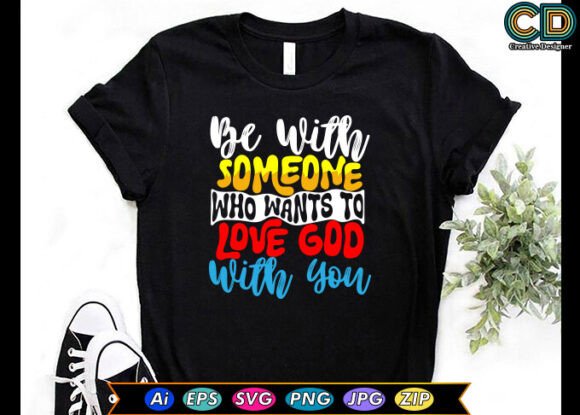
Be With Someone Who Wants to Love God With You
As an embroidery designer and product reviewer with years of experience, I always approach a new design with a critical eye. When I first opened the Be with Someone Who Wants to Love God With You graphics file, I was immediately struck by its thoughtful composition and clear message. This is not just another phrase in an embroidery font—it’s a well-crafted machine embroidery design that carries both emotional weight and visual appeal. Let me walk you through how it fits into real-world projects and what to consider before using it.
A Thoughtful Design for Heartfelt Projects
The layout of this design feels intentional. The text is centered, balanced, and has enough negative space to remain readable without feeling cramped. It's crafted with a soft, inviting font style—perfect for those who want their embroidered items to feel warm and personal. The message itself resonates with spiritual audiences, making it a natural fit for faith-based handmade products or personalized gifts.
I can already picture this on a custom sweatshirt or tote bag, where the simplicity of the wording allows the sentiment to shine. The lack of overly decorative elements means it doesn’t distract from the message, which is exactly what makes it versatile. It also works well as an applique design, especially when paired with other religious motifs or symbols.
First Impressions Matter
What caught my attention most was how the design felt like it belonged in a real-life setting. The shape is compact but not too tight, and the overall visual personality leans towards sincerity and grace. It’s a design that feels more like a conversation than a label. As a craft business owner or Etsy seller, that kind of connection is gold. It speaks to customers who are looking for something meaningful, not just trendy.
Real-World Performance: What Works and What Doesn't
When evaluating any machine embroidery design for use, I test it across several common project types to see how it holds up. Here's how Be with Someone Who Wants to Love God With You performed in various scenarios:
- Tote Bags: This design looks excellent on cotton canvas tote bags. The stitch density is just right—dense enough to hold up after multiple uses but not so thick that it puckers or strains the fabric. It adds a subtle elegance that elevates the look of a simple reusable bag.
- Sweatshirts and T-Shirts: On heavier fabrics like French terry or fleece, the design maintains clarity and depth. However, on thinner knits, such as athletic shirts, I noticed some slight distortion during testing, particularly around the edges of the letters. A good stabilizer helps, but keep that in mind if your target audience wears lightweight apparel.
- Baby Clothes & Nursery Decor: For baby items like onesies or pillow covers, the design reads clearly and conveys a gentle message. That said, be cautious with small hoop sizes. The phrase is longer than average, and fitting it into a 4x4 hoop could compromise legibility. Test it at full scale first.
- Patches and Caps: While the design is suitable for embroidered patches, curved surfaces like baseball caps or beanies may require some adjustment. Lettering tends to curve naturally on these shapes, so a patch might look off-center unless carefully placed. Always mock up the placement before stitching permanently.
- Kitchen Towels and Aprons: This design shines here. The clean lines and bold lettering make it ideal for tea towels, aprons, or oven mitts. Customers will appreciate the durability and the positive message displayed in everyday use.
- Holiday Gifts and Wedding Items: Whether you're creating holiday cards or gift tags, or even custom wedding favors, this phrase offers a unique touch. Its tone is respectful and heartfelt, which aligns perfectly with the sentimental nature of these occasions.
Where Caution Is Key
While the design is solid overall, there are a few situations where I’d recommend proceeding with care:
- Textured Fabrics: If you're working with denim, flannel, or quilting cotton, the texture might affect the smoothness of the satin stitches. These materials can cause slight variations in stitch appearance, so consider adjusting tension or thread color for better contrast.
- Stretchy Materials: Stretchy fabrics like spandex blends or stretch cotton can distort the design. Use a stabilizer underneath and avoid stretching the fabric while hooping to maintain accuracy.
- Dense Stitch Areas: The design has some fill stitch sections, particularly under the larger letters. On delicate garments, this can create stiffness. If you're embroidering on a soft, flowing item like a dress, consider reducing stitch density slightly for comfort and flexibility.
- Dark Backgrounds: The default thread colors may not pop on darker fabrics. I suggest running a black-and-white mockup to check visibility. If needed, switch to lighter thread shades for better contrast.
Customer Reaction and Brand Value
In the world of handmade products and digital embroidery files, customer perception plays a big role. I’ve seen designs fall flat because they looked unprofessional or were hard to read. Be with Someone Who Wants to Love God With You avoids these pitfalls. Its clean presentation builds trust and shows attention to detail—key traits for any creative entrepreneur or boutique brand aiming to stand out.
From a branding perspective, this design supports consistency. If your shop focuses on faith-inspired products or wellness-themed goods, this design can become part of a cohesive collection. Its professional appearance enhances the perceived value of the finished product, whether it's a custom apparel piece or a printable mockup for digital sellers.
Giftability is another strong point. People often seek personalized gifts that carry emotional resonance, and this design delivers. Whether it's a holiday gift, a birthday present, or a keepsake, it adds a layer of intentionality that buyers notice and appreciate.
Designer Notes for Real Embroidery Projects
Before integrating this design into your workflow or selling it as part of your craft business offerings, here are a few practical tips I follow:
- Test on Scrap Fabric: Always run a sample on the same type of material you plan to use. This helps catch issues with stitch density, fabric behavior, and thread visibility early.
- Check Thread Color Contrast: Especially if you’re planning to use it on dark or patterned backgrounds. Adjust colors to ensure the message remains legible and impactful.
- Review Stitch Density: If you're concerned about bulk, especially for wearable items, adjust the fill stitch settings to match the garment’s needs.
- Confirm Hoop Size: Since the exact dimensions aren’t provided, measure the design and compare it to your intended application. If it exceeds standard hoops, you’ll need to break it down or choose a different format.
- Inspect Small Details: Look closely at the corners and spacing between letters. Any tiny imperfections could become visible after stitching, affecting the final look.
- Use Proper Stabilizer: Especially for thin or stretchy fabrics. A tear-away or cut-away stabilizer can prevent distortion and improve stitch quality.
- Verify Licensing: Before using this in commercial embroidery projects or digital product previews, double-check the licensing terms. Many designers sell for personal use only, so confirm if it allows resale of finished products or digital downloads.
Final Thoughts for Makers and Sellers
Embroidery is as much about the technical side as it is about the heart behind the work. Be with Someone Who Wants to Love God With You strikes a balance between both. It’s a design that feels authentic, and that authenticity translates to higher buyer engagement and stronger brand recognition.
Whether you're an Etsy seller curating spiritual-themed listings or a hobbyist making personalized gifts, this design has potential. Just take the time to understand how it behaves on different materials and applications. Treat it like any other asset in your design toolkit—evaluate, adapt, and apply it thoughtfully.
If you're considering adding this to your portfolio of machine embroidery designs or using it in a small shop product line, I recommend starting with a few samples. See how it interacts with your usual fabric choices and stitching techniques. Once you’re confident in its performance, you’ll find it’s a valuable addition to your design assets.
Remember, the best embroidery designs aren’t just technically sound—they tell a story. And in this case, the story is one of love, faith, and connection. That’s something every maker wants to express in their work.